Your personality type
ENTP
Debater
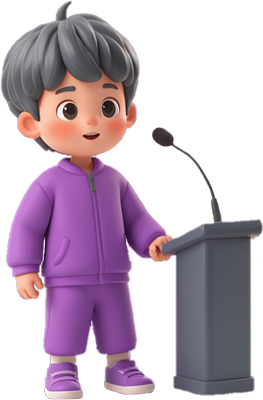
ENTPs are creative and energetic thinkers who love intellectual challenges and seeing problems from different angles. They enjoy debate not to win, but to explore the boundaries of thought. With agile minds, they quickly connect different concepts and propose unique insights. ENTPs hate routine and constraint, always seeking new stimulation and challenges.
Estimated population~3.2%
Core strengths & Growth areas
Core strengths
- Quick and creative thinking
- Excellent debate and persuasion skills
- Good at finding new opportunities
- Highly adaptable and open-minded
- Energetic and enthusiastic
Growth areas
- Prone to abandoning projects midway
- Impatient with details and routine
- May be overly argumentative
- Feel constrained by long-term commitment
- May overlook practical feasibility
Relationships
ENTPs are stars in social settings—their wit, humor, and vitality always draw attention. They enjoy connecting with all kinds of people, especially those who can keep up with their mental leaps. ENTPs need intellectual stimulation and freshness in relationships. They need to learn deeper relationship maintenance.
Romantic relationships
ENTPs seek intellectual sparks and continuous stimulation in love. They are attracted to smart, humorous partners and need a relationship full of exploration and mutual growth. ENTPs may not excel at traditional romance but express love through new experiences and interesting conversations.
Career directions
You at work
ENTPs perform best in environments full of change and challenge. They hate repetition and routine, preferring work where they can freely exercise creativity. ENTPs excel in entrepreneurship, consulting, law, marketing, and innovation.
Growth suggestions
- 01Develop focus and follow-through
- 02Complete projects before starting new ones
- 03Listen more and reduce debate tendency
- 04Build long-term commitment habits
- 05Pay attention to details and execution
Want to validate this result?
A quick test is a starting point. A fuller scale reveals more nuance.
If parts of this profile do not quite fit, 48 questions may not fully separate nearby preferences. A more complete assessment can help you check the result.
Personality type describes preferences, not ability, and is not a substitute for psychological diagnosis.